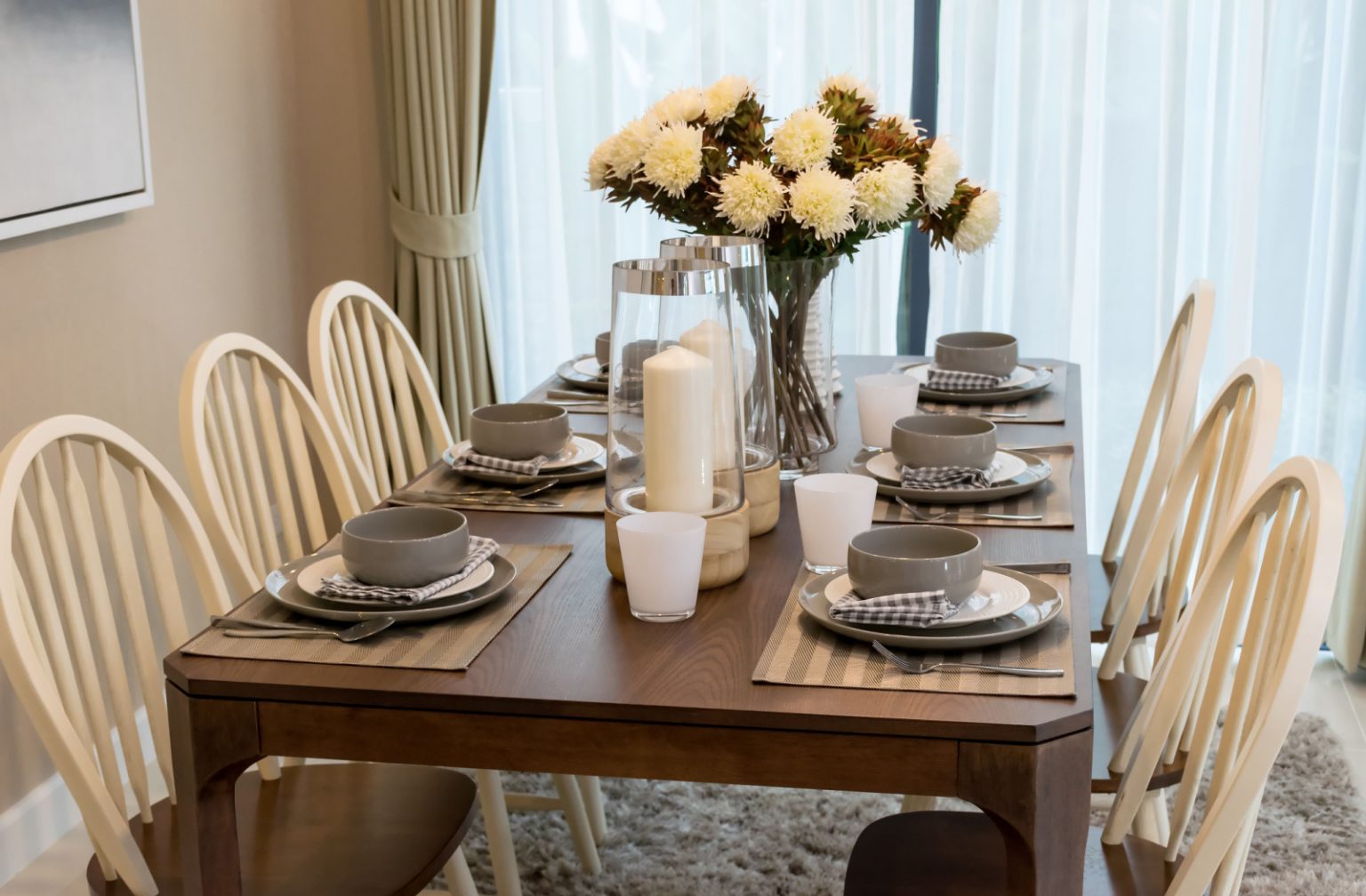
When selecting a dining table, size is one of the most important considerations—not just in terms of how many people it can seat, but also how it fits within your room. In many Australian homes, especially those with open-plan layouts or compact apartments, choosing a well-proportioned dining table can make the difference between a comfortable, welcoming dining area and one that feels cramped or underused.
In this guide, we’ll help you find the perfect dining table size for your space, covering everything from standard dimensions and clearance zones to shape considerations and layout tips. Whether you’re furnishing a family home in Melbourne or styling a coastal apartment in Byron Bay, this guide will help you make a confident and informed decision.
Why Table Size Matters
A dining table isn’t just a place to eat—it’s where conversations happen, homework is completed, and guests are entertained. A table that’s too large can overwhelm a space, while one that’s too small may not be functional. Good sizing balances comfort, aesthetics, and practicality.
How to Choose the Right Dining Table Size
Selecting the right dining table involves more than picking a piece that fits your décor. It’s about creating harmony between furniture and space—ensuring enough room for movement, functionality for your lifestyle, and visual balance within your home. Below are the key factors to consider when choosing the perfect dining table size for your room.
Measure Your Dining Area Accurately
Before looking at tables, take the time to measure your dining space. This includes the overall length and width of the room, as well as nearby furniture, walkways, or features like bay windows and sliding doors. Remember to factor in space for chairs and for people to move around comfortably.
Allow Adequate Clearance Around the Table
To move comfortably around a dining table, allow for at least 90cm of clearance on all sides. This lets guests pull out chairs and walk around without bumping into walls or other furniture. In more spacious layouts, up to 120cm clearance can enhance flow and accessibility.
Quick Clearance Checklist:
- Minimum: 90cm between table edge and wall
- Ideal: 100–120cm for more open movement
- Tight fit: 75–85cm may work in small spaces, but avoid going below that
Match Table Size to Seating Capacity
| Table Size | Shape | Seats Comfortably | Notes |
|---|---|---|---|
|
120–130cm |
Round |
4 |
Ideal for smaller spaces or couples |
|
140–150cm |
Round |
6 |
Offers more flexibility without dominating the room |
|
160-180cm |
Rectangular |
6 |
A common size for family homes |
|
200-240cm |
Rectangular |
8 |
Best suited for larger dining rooms or regular hosting |
|
260-300cm+ |
Rectangular |
10-12 |
Works well in open-plan or large spaces |
Always allow at least 60cm width per person for comfortable elbow room. If using armchairs or larger seats, increase the width to around 70–75cm per person.
If space is tight but you occasionally host, an extendable table is a smart choice—it stays compact for daily use but adapts when needed.
Choose a Shape That Suits Your Layout
The shape of your table dramatically affects flow and how people interact around it. Here’s how to determine the right one for your home:
- Rectangular Tables: Ideal for long rooms or open-plan living. Their linear shape offers the most seating versatility and works well when aligned with lighting fixtures or architectural features like windows or beams.
- Round Tables: Excellent for square or compact spaces. They make conversation easier since everyone is equidistant and there are no corners to navigate. Round tables also create a more casual, communal feel—perfect for family meals or small gatherings.
- Oval Tables: Combine the benefits of rectangular and round tables—elongated for more seats, but softer on the eye. They’re great for narrower spaces that still need to seat more people.
- Square Tables: Best for square rooms or as a centrepiece in an open layout. They work well for up to 4 people, but for larger groups, conversation can become segmented. They can, however, make a striking style statement in modern interiors.
In Australian homes, where space planning varies significantly—from compact inner-city apartments to spacious rural properties—matching table shape to floorplan can dramatically improve usability.
Consider the Scale of the Room
It’s not just about what fits—it’s about what looks right. A small table in a large room can feel lost, while an oversized table in a small room may feel dominant and heavy.
Look at ceiling height, surrounding furniture, and lighting. A tall ceiling and large pendant light may pair beautifully with a long, chunky timber table. In smaller spaces, opt for slimmer legs or lighter-toned wood to avoid visual clutter.
Think About Chair Space and Comfort
Each seated person typically requires around 60cm of table width, and more if armchairs are used. Also ensure that chairs can be pushed in without hitting table legs or central supports.
If you’re purchasing a full dining set, this is less of a concern. But if you’re mixing and matching, check the seat height and width against the table’s apron and leg placement.
Extendable or Fixed: What’s Best for You?
An extendable table offers flexibility, making it a great option for people who host occasionally but don’t want a large table taking up space daily.
On the other hand, fixed tables tend to be more stable and offer clean lines without split surfaces. They’re ideal for households with consistent seating needs and a defined dining space.
Material & Finish Matters Too
Size and shape are key, but materials also affect visual weight. Solid hardwoods like blackbutt, spotted gum, or American oak offer durability and an elegant presence, but may appear bulkier in small rooms. Lighter finishes or tapered legs can offset this, keeping the room feeling open.
If you’re furnishing a light-filled, coastal-style home, consider whitewashed finishes or lighter-toned timber to match the Australian coastal aesthetic.
Visual Tricks for Small Spaces
- Use benches instead of chairs on one side to save space
- Choose a table with a pedestal base to allow more flexible seating
- Opt for clear or light-toned chairs to reduce visual clutter
- Position your table near natural light or under a statement pendant light to define the area
Final Thoughts
Choosing the right dining table size is about finding a balance between functionality and proportion. By taking the time to assess your space, lifestyle, and design preferences, you can select a table that not only fits physically, but also enhances the way you live.
If you’re unsure where to begin, exploring handcrafted timber dining tables from Timerworx, made specifically for Australian homes, can help you visualise what’s possible. After all, the best dining tables aren’t just practical—they’re where memories are made.