Skip to content
How to Choose the Right Furniture Material for Your Home

Date

Share this post:
Choosing the right furniture material is more than just a style decision — it directly impacts your home’s comfort, durability, and long-term value. The right choice will complement your interior, suit your lifestyle, and withstand your local climate conditions.

In this guide, we’ll explore how to choose the ideal furniture materials for your home, with practical examples drawn from Australian households and their unique environment.

Factors to Consider When Choosing Furniture Material

Climate and Environment

The conditions in which your furniture will live are one of the most decisive factors in selecting the right material. In Australia, humidity, heat, and coastal air all influence how different materials age.
In tropical and coastal regions such as Queensland’s shoreline, high moisture in the air can cause certain timbers to swell or warp unless they have been kiln-dried and sealed correctly. Conversely, the dry inland climate can pull moisture from low-grade timber, leading to shrinkage and cracking over time.
Metal, while strong and modern in appearance, can suffer corrosion if placed in salt-laden air without appropriate rust protection. This is why many Australian homeowners choose seasoned hardwoods like Blackbutt or Spotted Gum, or opt for treated timber that can withstand environmental extremes.

Lifestyle and Usage

Your furniture should suit the way you live, not the other way around. For households with children or pets, materials that resist scratches, dents, and stains—such as solid hardwood or high-grade leather—offer the best long-term value.
If you prefer low-maintenance living, quality veneers, laminate finishes, or powder-coated metals require minimal cleaning and handle daily wear with ease.
For those who entertain often, stain-resistant tabletops or performance fabrics can keep furniture looking fresh, even after a busy dinner party or weekend gathering.

Budget and Long-Term Value

Price matters, but so does the lifespan of your furniture. Solid timber pieces may cost more initially, yet they can last for decades and often develop a richer character with age.
By contrast, veneer or engineered board furniture can achieve a similar look for less, but these materials typically have a shorter lifespan and cannot be refinished if damaged.
When you consider the total cost over 10–15 years, investing in durable, high-quality materials often proves more economical than replacing cheaper alternatives every few years.

Popular Furniture Materials for Modern Homes

Solid Timber

Solid timber remains a benchmark for quality and longevity in furniture. In Australia, hardwoods like Tasmanian Oak, Blackbutt, Spotted Gum, Blackwood, Wormy Chestnut, and American Oak are especially valued for their resilience and aesthetic appeal.
These timbers can withstand daily wear, maintain structural integrity in Australia’s diverse climates, and even gain character over time— scratches and patina become part of their story. As experts note, solid wood “often outlives you,” and finishes such as water-based lacquer can significantly enhance its durability.
Benefits:
  • Exceptional lifespan; can be refinished when worn.
  • Rich, natural textures and grain add visual depth.
  • Develops a distinctive ‘lived-in’ charm.

Considerations:
  • Higher upfront investment vs. synthetic or composite alternatives.
  • Requires regular upkeep (e.g., oiling, refinishing).
  • Can react to humidity or dryness if not sourced and treated properly.

Veneer and Engineered Surfaces

Veneer combines a thin layer of real wood over a stable core (like plywood or MDF), delivering the appearance of wood at a lower cost. While more budget-friendly and lighter, veneers cannot be sanded down like solid wood and are susceptible to water damage if not sealed well.
Experts caution against low-quality engineered woods (e.g., MDF, particle board) for long-term use; these materials may look appealing initially but typically lack durability.
Benefits:
  • Affordable and visually versatile.
  • Easier to move and handle due to lighter weight.
  • Requires less timber, making it a more sustainable choice.

Considerations:
  • Vulnerable to moisture-related damage (peeling, swelling).
  • No option for deep refinishing—surface damage is often permanent.

Metal

Metal frames—from powder-coated steel to aluminum or galvanized iron—bring a contemporary edge, structural strength, and low-maintenance appeal. Experts recommend powder-coated or patinated finishes for added resilience and aging beauty.
Benefits:
  • Long-lasting and sturdy.
  • Highly resistant to pests.
  • Minimal cleaning required; powder-coated finishes offer strong protection.

Considerations:
  • Can feel cold or industrial in appearance.
  • Susceptible to rust in coastal or high-humidity environments without proper treatment.
  • May absorb heat, becoming uncomfortably warm to touch in direct sun.

Upholstered Materials: Fabrics & Leather

Comfort meets durability in upholstered furniture—especially when informed by expert advice.  Design professionals recommend choosing textiles based on usage: performance fabrics, canvas, and ethically sourced leather deliver both style and resilience.
Fabric Upholstery:
  • Performance fabrics (e.g., stain-resistant, quick-dry) are ideal for homes with high foot traffic or spills.
  • Natural textiles like linen and cotton age well and are breathable, though they may require gentle maintenance.
 
Leather:
  • Beloved for its luxurious feel and ability to mature gracefully.
  • More temperature sensitive (heat and sunlight can cause drying or fading).
 
Benefits:
  • Offers grounding comfort and design adaptability.
  • Wide spectrum of choices—from everyday durability to luxury materials.
 
Considerations:
  • Requires cleaning and, depending on the material, conditioning or stain protection.
  • Leather carries a higher cost tag compared to some fabrics.

Glass and Other Modern Materials

Glass surfaces—like tabletops or cabinet accents—lend a sleek, light-reflecting quality, helping spaces appear more open. However, they demand careful maintenance to avoid scratches, fingerprints, and safety risks.
 
Additional materials such as acrylic can offer look-alike elegance with lighter weight and improved sturdiness—though they may dull more quickly than real glass.
Benefits:
  • Visually expands spaces; easy to clean.
  • Acrylic variants are safer and more affordable alternatives to glass.

Considerations:
  • Fragility requires cautious handling.
  • Shows smudges and needs frequent cleaning to stay polished.

Matching Material to Room Function

Dining Room

A dining room should balance practicality with a welcoming atmosphere. Solid timber dining tables, especially those made from Australian hardwoods like Blackbutt or Tasmanian Oak, bring natural warmth, durability, and the ability to be refinished after years of use. They stand up well to the daily wear of family meals and gatherings.
 
For a sleek, contemporary feel, glass-top dining tables offer an airy aesthetic and are easy to wipe clean after use. However, they can be less forgiving of scratches and may require protective placemats to maintain a pristine surface.

Living Room

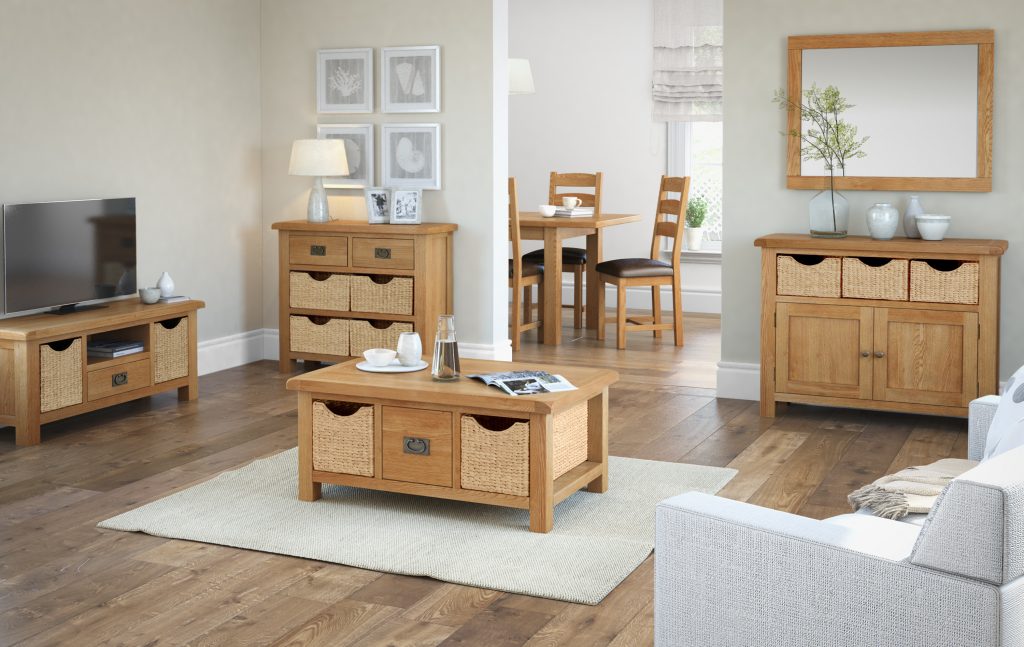
The living room is often the most-used space in the home, so furniture materials should balance comfort, durability, and style. Timber coffee tables—whether in solid oak or reclaimed timber—add a sense of warmth and character while remaining sturdy enough for everyday use.
 
Seating is another key consideration. Upholstered sofas in performance fabrics provide a soft, welcoming feel, while leather sofas offer a luxurious touch and can handle heavy use with the right care. In warmer Australian climates, lighter-coloured leather or breathable fabrics help keep seating comfortable year-round.

Bedroom

In the bedroom, materials should convey both comfort and longevity. Solid timber bed frames offer exceptional stability and a timeless appeal, making them an investment piece that can last for decades.

For a softer aesthetic, upholstered headboards introduce texture and comfort, while fabric choices—linen, cotton blends, or performance textiles—allow you to match the design to your personal style. Timber bedside tables or dressers can complete the look, tying the room together with natural warmth.

Outdoor Spaces

Outdoor furniture needs to withstand Australia’s diverse and sometimes harsh conditions. Treated timber remains a popular choice, especially when sealed to resist moisture and UV damage. Woods like teak and spotted gum are particularly resilient outdoors.

For low-maintenance solutions, aluminium and synthetic wicker provide excellent weather resistance, are rust-proof, and require minimal upkeep—ideal for coastal properties where salt air is a concern. Pairing these materials with UV-resistant fabrics ensures both durability and comfort for your outdoor setting.

Sustainability and Eco-Friendly Choices

As environmental awareness grows, more homeowners are seeking eco-friendly furniture materials that combine style, durability, and a reduced environmental footprint.

One of the most sustainable choices is certified Australian hardwood from responsibly managed forests, ensuring your timber furniture supports ethical forestry practices. Reclaimed timber is another excellent option, giving aged wood a second life while adding unique character through natural imperfections and patina.

Fast-growing bamboo furniture offers a renewable alternative to traditional hardwoods, while low-VOC finishes help improve indoor air quality, making your home healthier for your family. Choosing sustainable materials not only benefits the planet but also adds a unique story and authenticity to each piece.

Care and Maintenance by Material

Solid Timber

Dust regularly with a soft cloth, keep out of direct sunlight, and apply quality timber polish or oil every few months to maintain its natural lustre. Wipe spills promptly to prevent staining or water damage.

For a complete step-by-step guide to protecting and rejuvenating your timber furniture, you can read our dedicated article “How to Care for Wooden Furniture: A Comprehensive Guide for Australian Homes“.

Veneer

Clean with a slightly damp cloth and avoid harsh chemicals. Prevent exposure to excessive moisture, as it can cause swelling or peeling of the veneer surface.

Metal

Use a soft, dry cloth or mild detergent for cleaning. In coastal areas, consider periodic application of a rust-preventive coating to combat salt air exposure.

Leather

Wipe spills immediately with a dry cloth, condition every 6–12 months to keep the leather supple, and avoid prolonged exposure to heat or sunlight to prevent drying or fading.

Glass

Use non-abrasive cleaners and a microfiber cloth to prevent scratches. Regular cleaning helps maintain clarity and shine, while coasters and placemats can protect against chips or marks.

Conclusion

The right furniture material should reflect your lifestyle, budget, and climate — while also bringing beauty and comfort to your home. Whether it’s the timeless appeal of Australian hardwoods, the affordability of veneer, or the modern edge of metal, each material has its strengths.

If you’re ready to explore high-quality furniture tailored to your needs, TIMBERWORX offers a range of custom-made solid timber pieces designed to suit both Australian conditions and your personal style. Visit our showroom or get in touch to find the perfect fit for your home.