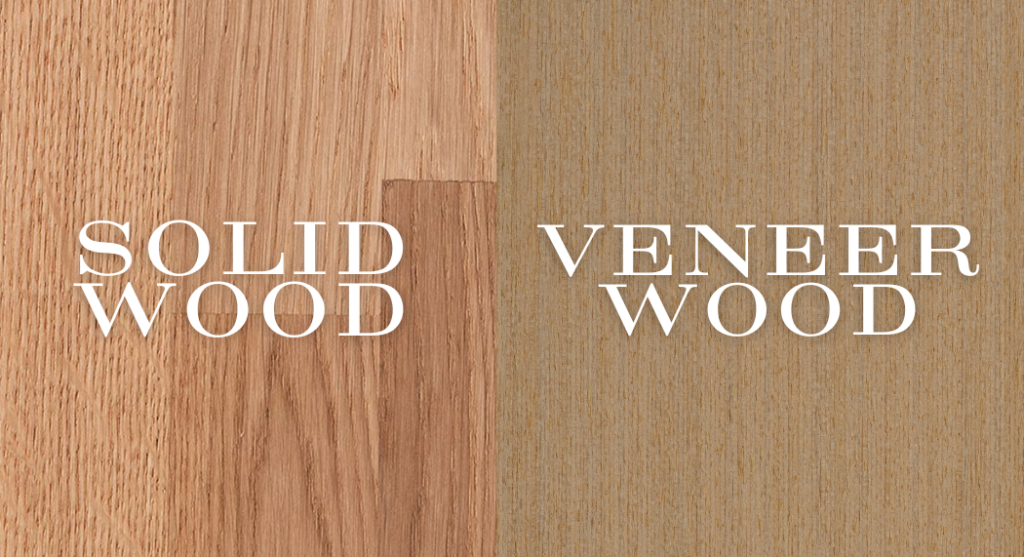
Furnishing an Australian home is about more than filling space. It’s about choosing materials that can handle our climate, elevate your style, and deliver value for the long haul. For many buyers, the decision often comes down to solid timber furniture versus wood veneer furniture. At a glance, both can look similar—but the lived experience over years is worlds apart.
This guide unpacks the key differences, why solid timber shines in Australian conditions, and how to choose the right species and finishes for everyday life. Along the way, you’ll find practical tips to help you spot the good stuff in a showroom and keep it looking schmick for years.
Solid Timber vs Veneer: What You’re Really Buying
What Is Solid Timber Furniture?
What Is Veneer Furniture?
Veneer furniture uses a thin slice of real wood glued over a core such as MDF, particleboard, or plywood. Done well, veneer can look tidy, but the surface layer is typically less than a millimetre thick. That means limited scope for repair, and the core material—not the attractive surface—dictates strength and longevity.
Bottom line: veneer is about appearance; solid timber is about both appearance and structure.
Why Solid Timber Wins for Australian Homes
Durability That Handles Aussie Conditions
Before we get into the nitty‑gritty, it’s worth noting the challenges: humidity swings in Brisbane summers, cool dry winters in Canberra, sea breezes in Sydney, and the odd red‑hot heatwave almost anywhere. Veneer’s thin layer can’t stretch or compress much as the core moves, so it’s prone to bubbling, peeling, or cracking when moisture or heat spikes. Once the veneer lifts, repair options are limited.
Solid timber, by contrast, is an honest material. It expands and contracts predictably with the seasons, and well‑designed pieces build that movement into the construction. If you cop a scratch or a water ring after a busy weekend, you can sand and refinish the surface. With hardwearing Australian hardwoods—Blackbutt and Spotted Gum are standouts for density and toughness—tops can be re‑oiled or re‑coated to look near‑new.
Practical examples:
- Dining tables: hot platters, cold drinks, and daily use are par for the course. Solid timber tops with hardwax oil or polyurethane finishes can be refreshed; veneer tops often cannot.
- Entertainment units: electronics generate heat. Solid timber tolerates this better, while veneer edges can lift near warm airflow.
- Kids’ rooms and rentals: knocks happen. Solid timber can be filled, sanded, and blended; chipped veneer usually telegraphs the core and stays visible.
A quick care routine goes a long way: use felt pads on chair legs, wipe spills promptly, and re‑oil surfaces annually in high‑traffic areas. Do that, and solid timber will shrug off daily life far better than thin‑skinned veneer.
Timeless Aesthetic Appeal
Here’s the other reason Australians keep coming back to timber: it looks good now and better with age. Veneer patterns are often repeated and uniform. Solid timber offers depth and variation—cathedral grains in American Oak, the gold‑to‑chocolate shimmer of Blackwood, the subtle straw tones of Tasmanian Oak, the interlocked figure and colour play of Spotted Gum, and the lived‑in character of Wormy Chestnut with its gum veins and pinholes.
Because the material is genuine through‑and‑through, solid timber develops a natural patina. Small marks soften into the surface, telling the story of family dinners, Sunday arvos, and years of use. If your style shifts—from coastal to Scandi, from modern farmhouse to contemporary—solid timber adapts. You can change finishes (from clear oil to matte lacquer, or a deeper stain) without replacing the piece.
Design versatility in practice:
- Coastal homes: Tasmanian Oak or American Oak with a light oil pairs beautifully with white walls and natural textiles.
- Urban apartments: Blackwood adds warmth against concrete or charcoal cabinetry.
- Family spaces: Wormy Chestnut brings texture and personality that hides the odd ding like a champ.
A Better Long‑Term Investment
Yes, solid timber costs more upfront. But over a 10–20 year horizon, it usually costs less to own. Veneer furniture often needs replacing when the edges chip, the top blisters, or joints loosen in the core. Solid timber can be tightened, re‑glued, re‑finished, and even resized by a competent maker. That means one quality purchase instead of a cycle of short‑term buys.
Think total value, not sticker price:
- Serviceability: a sand and oil every few years is far cheaper than a new table.
- Resale: quality timber pieces hold value on the second‑hand market; generic veneer rarely does.
- Heirloom factor: a dining table in Blackbutt or Spotted Gum can be passed down—try doing that with a paper‑thin surface on MDF.
If you’ve ever muttered “buy cheap, buy twice,” solid timber is the antidote.
Sustainability, Health, and Indoor Air Quality
Responsible Materials and Longevity
Finishes and Indoor Comfort
Timber finishes have come a long way. Today’s hardwax oils and water‑borne coatings can be low‑odour and low‑maintenance, giving you a durable surface without a plasticky feel. Short, simple care routines—dusting, prompt spill cleanup, periodic re‑oiling—keep the surface healthy.
Maintenance and Repair: Real‑World Tips
Everyday Care That Works
- Wipe with a soft, slightly damp cloth; avoid harsh chemicals.
- Use coasters and trivets; lift rather than drag items.
- Maintain stable airflow and avoid parking pieces in direct, harsh afternoon sun.
Fixing the Inevitable Marks
- Water rings: a gentle sand and re‑oil usually does the trick.
- Dents: many can be raised with a damp cloth and a warm iron, then blended with finish.
- Scratches: spot‑sand along the grain, feather the edges, and re‑coat.
Why Veneer Falls Short Here
Because veneer’s surface is so thin, sanding often breaks through to the core. Repairs are cosmetic at best and obvious at worst, which is why veneer pieces tend to be replaced rather than restored.
Customisation and Made‑to‑Measure Options
Built for Your Space and Lifestyle
Details That Make a Difference
Thoughtful touches—rounded edges for kid‑friendly homes, durable finishes for rental properties, or species choices that complement existing floors—are easier to execute in solid timber, where the structure and surface are the same material.
When Veneer Might Still Make Sense
To be fair, veneer isn’t always the wrong call. If you’re fitting out a short‑term rental, staging a home for sale, or you simply need a light, budget piece for a spare room, veneer can do the job. Just be realistic about lifespan, avoid placing hot or wet items directly on the surface, and expect limited repair options down the track.
How to Tell Solid Timber from Veneer in a Showroom
Look at the Edges and Underside
Check Weight and Joinery
Follow the Grain Around Corners
In solid timber, grain patterns don’t “wrap” perfectly around sharp corners. If a complex grain flows seamlessly over an edge, it’s probably a printed pattern or veneer.
Choosing the Right Timber Species for Your Piece
Dining and Family Tables
- Blackwood: prized for its rich brown tones with flashes of gold, Blackwood creates a sense of warmth and sophistication. A dining table made from Blackwood instantly becomes a feature piece and pairs beautifully with upholstered dining chairs. It’s also a common choice for buffets and sideboards, where its natural beauty can be showcased on a larger surface.
- Spotted Gum: one of the toughest Aussie hardwoods, with a stunning grain pattern ranging from light browns to deep chocolate. This timber thrives in open-plan spaces where furniture needs to handle high traffic. A Spotted Gum dining table or bench seating is both functional and visually striking, perfect for households that love to entertain.
Coffee Tables and Consoles
- American Oak: classic, even grain that takes stain well—easy to pair with existing floors and cabinetry.
- Blackwood: rich tone for warmth in modern apartments; pairs nicely with black hardware.
Bedroom and Living Storage
- Tasmanian Oak: versatile, sands beautifully for a smooth matte finish; ideal for bookcases and bedside tables. Its pale honey tones blend well with both modern minimalist bedrooms and more traditional living spaces, making it a safe choice if you’re aiming for a timeless look.
- Wormy Chestnut: full of character, with unique gum veins and rustic markings that tell a story. This timber works brilliantly for statement storage pieces like TV units, sideboards, or display cabinets. It adds texture and personality to spaces that might otherwise feel a bit sterile, and because of its durability, it stands up well to the daily knocks and scrapes that family living areas often endure.
Why Your Choice of Timber Matters
Caring for Solid Timber Pieces
- Dusting and Cleaning: Use a soft cloth to remove dust; avoid harsh chemicals that strip the natural oils.
- Avoid Direct Sunlight: While Aussie homes are full of natural light, prolonged direct sun can fade timber. Position pieces thoughtfully or use window coverings.
- Moisture Management: Solid timber breathes, so try to keep humidity levels stable. Wiping spills promptly prevents staining or swelling.
- Refinishing When Needed: One of the best perks of solid timber is its ability to be sanded back and refinished, giving furniture a fresh lease of life even after decades of use.
For a more in-depth guide on maintaining wooden furniture in Australian homes, you can read this article: How to Care for Wooden Furniture – A Comprehensive Guide for Australian Homes
Final Thoughts: Solid Timber vs Veneer
At the end of the day, investing in solid timber furniture is about more than owning a functional piece. It’s about bringing home something that grows with you, withstands the rough-and-tumble of Aussie life, and looks better with age. Veneer may serve a purpose for short-term affordability, but for anyone wanting furniture that tells a story, holds memories, and lasts for generations, solid timber is the clear winner.
If you’re ready to move beyond short-term furniture and invest in something that lasts, our team at TIMBERWORX is here to help. We work with quality Australian timbers — from Tasmanian Oak to Wormy Chestnut — crafting pieces that suit both your lifestyle and your space. Whether you’re after a custom dining table, a standout TV unit, or bedroom storage that will see you through the years, solid timber furniture is an investment worth making.
Explore our collection online, or get in touch to discuss a made-to-order design tailored to your home. With TIMBERWORX, you’re not just buying furniture — you’re choosing craftsmanship that’s built to last.