Introduction
Choosing the right dining table is not only about size. In many Sydney homes, the dining table is the centre of everyday family life, weekend gatherings and special occasions. That is why the timber you choose matters just as much as the design.
Two of the most popular options are Tasmanian Oak and Blackwood. Both are beautiful hardwood choices, but they create very different looks and suit different types of homes.
If you are deciding between the two, this guide will help you understand which one may be the better fit for your space, style and daily needs.
Tasmanian Oak Dining Tables: A Practical and Versatile Choice
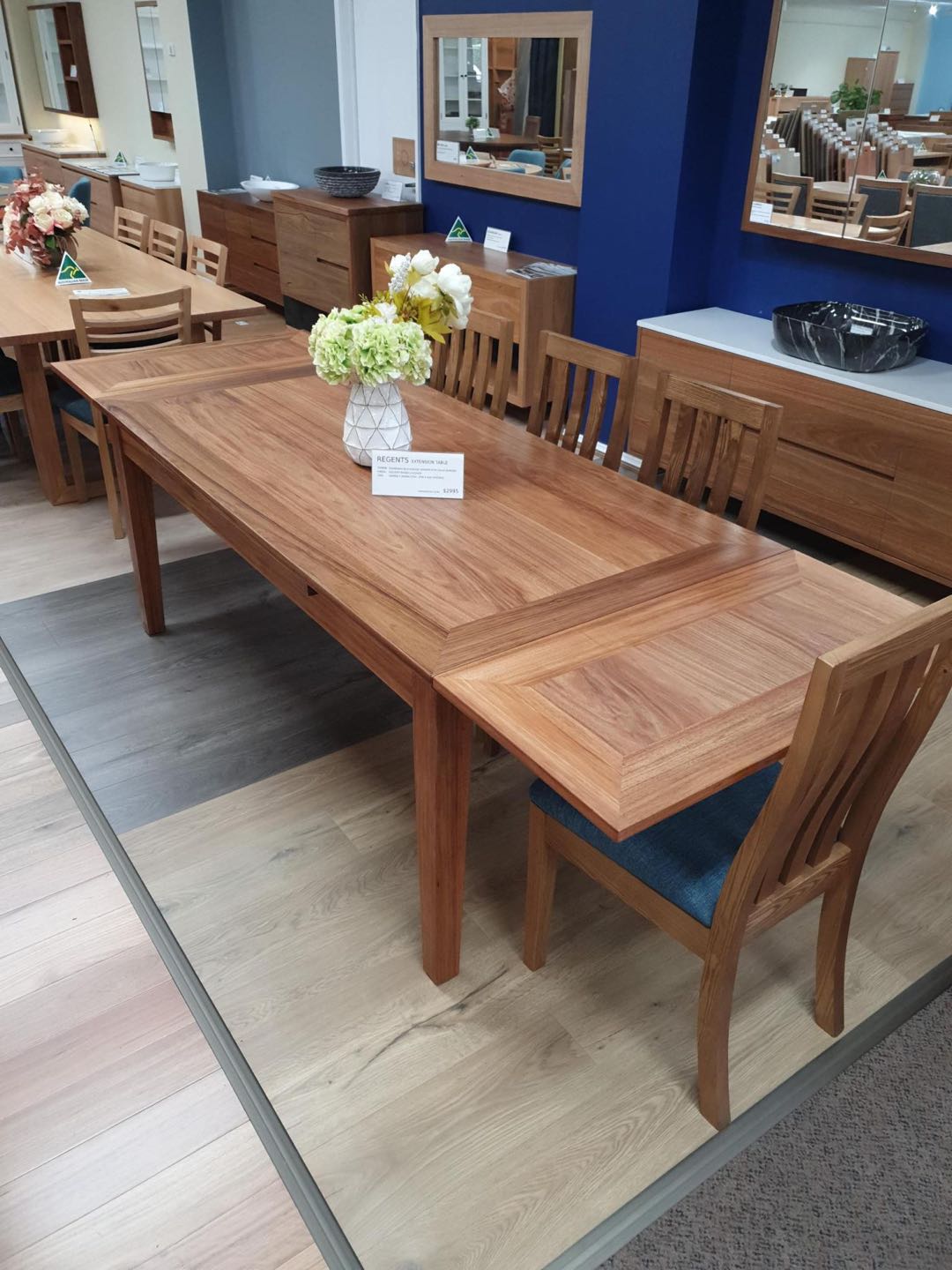
Tasmanian Oak is a popular choice for homeowners who want a dining table that feels warm, clean and flexible. It suits a wide range of interior styles, from modern Australian homes to more relaxed family spaces.
One of the biggest advantages of Tasmanian Oak is its versatility. It works well in light interiors, coastal-inspired homes and spaces where you want the timber furniture to feel natural without looking too heavy.
Tasmanian Oak dining tables are also a strong option for families who want something timeless. If you are choosing a table for everyday meals, homework, entertaining guests and long-term use, this timber gives you a balanced and dependable look.
Blackwood Dining Tables: Richer Character and a More Distinctive Look
Blackwood is often chosen by homeowners who want their dining table to feel more like a feature piece. It usually has a richer visual character and a more decorative presence in the room.
If your home has warmer tones, deeper colours or a more premium interior style, Blackwood can be a very strong choice. It often feels a little more statement-driven than Tasmanian Oak, especially in a larger dining room.
Blackwood is also an excellent option when you want a table that stands out more in open-plan living spaces. Instead of blending quietly into the room, it helps create a more defined dining area.
Which Timber Is Better for Family Homes?
For many family homes, the answer depends less on which timber is “better” and more on how you use the table.
If you want something bright, versatile and easy to style with different chairs and room colours, Tasmanian Oak is often the simpler choice.
If you want stronger visual impact and a table that feels more premium and distinctive, Blackwood may be the better option.
In other words, Tasmanian Oak often suits homeowners who want flexibility. Blackwood often suits homeowners who want character.
Fixed or Extendable: An Important Practical Decision
When choosing a dining table, the table format matters just as much as the timber.
A fixed dining table is often ideal if your household size is stable and you already know the table dimensions that work best in your room. It keeps the look simple and consistent.
An extendable dining table is more practical if you regularly host guests, have a growing family or want extra flexibility without permanently using more floor space.
This is why many Sydney homeowners choose custom timber furniture. The right table is not only about appearance. It also needs to match the way you actually live.
Why Custom Sizing Makes a Big Difference
Many people make the mistake of choosing a dining table based only on how it looks online. In reality, proportions are everything.
A table that is too large can make the room feel cramped. A table that is too small can feel underwhelming and impractical.
Custom sizing allows you to choose a dining table that fits your layout properly, works with your dining chairs and leaves enough space for movement around the room. This is especially important in Sydney homes, where dining spaces can vary a lot between apartments, terraces and larger family houses.
Final Thoughts
Both Tasmanian Oak and Blackwood are excellent choices for a custom dining table. The best option depends on the kind of home you have and the feeling you want to create.
Choose Tasmanian Oak if you want a lighter, versatile and timeless look.
Choose Blackwood if you want richer visual character and a dining table that feels more like a statement piece.
If you are still unsure, the smartest next step is to compare your room size, your seating needs and the overall style of your home before deciding on the final timber and table format.